Water Damage Restoration Happy Valley, OR
24/7 water damage restoration in Happy Valley, OR. The restoration team pulls standing water out, dries the framing and subfloor to the IICRC S500 standard and records every reading for the insurance file.
(888) 373-8814Call before it reaches the subfloorWater and sewage losses only. Every visit ends with a logged moisture reading, and equipment stays until the numbers say dry.
What to do while the water is still spreading
Mold can begin within 24 to 48 hours on wet materials, so the first day decides how much gets dried and how much gets replaced.
- 01Close the main
Shut the main valve, often near where the supply enters the house or in the garage, to stop the flow.
- 02Cut wet circuits
Switch off breakers for wet rooms, but only if the panel itself sits somewhere dry.
- 03Photograph it all
Take wide and close photos of every wet room before anything is moved, lifted or thrown out.
- 04Lift, then call
Pull rugs, boxes and electronics off wet floors, then get extraction started the same night.
Water Damage Restoration Services in Happy Valley, OR
Water and sewage losses only, from the first gallon pulled out of a crawl space to the last moisture reading on the upstairs subfloor.
 W-01Water ExtractionStanding water pulled out first, before it wicks into pad, drywall and subfloor.Open the service
 W-02Burst Pipe Water DamageSplit supply lines shut down, the water extracted and every wet wall cavity mapped.Open the service
 W-03Frozen Pipe Water DamageCold-night splits in crawl spaces, garages and exterior walls, extracted and dried.Open the service
 W-04Crawl Space Water RemovalWater under the joists pumped out, wet insulation and barrier pulled, the space dried.Open the service
 W-05Basement Flooding CleanupFinished and unfinished lower levels pumped out and dried to a verified reading.Open the service
 W-06Sump Pump Failure CleanupStalled or overwhelmed pumps in a rain spell, the lower level extracted and dried.Open the service
 W-07Roof Leak Water DamageStorm-opened roofs and valleys that let rain into attic insulation and top floors.Open the service
 W-08Ceiling Leak Water DamageUpstairs bath, supply and drain leaks traced and dried inside the ceiling cavity.Open the service
 W-09Storm Water Flood CleanupRain runoff from uphill yards that reaches foundations, window wells and lower rooms.Open the service
 W-10Water Heater Leak CleanupTank ruptures and slow seeps in garages and closets, extracted and dried out.Open the service
 W-11Structural DryingFraming, subfloor and wall cavities dried with LGR units, air movers and daily readings.Open the service
 W-12Sewage Backup CleanupCategory 3 backups contained, porous materials removed, surfaces cleaned and treated.Open the service
How a water loss is worked from first reading to last
Four stages, measured at each one. Equipment leaves on the strength of the readings, not on a set date, so a dry-looking floor is never called finished early.
- STAGE 01
Moisture mapping
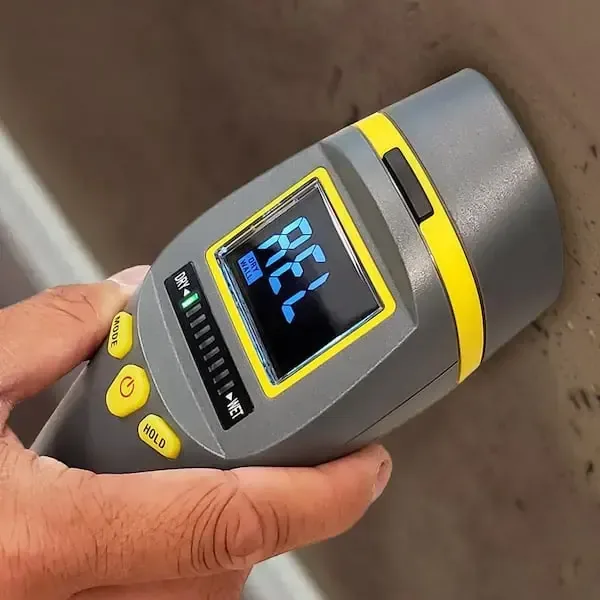
The tech on the walkthrough maps wet materials with thermal imaging and pinless meters before any equipment goes down.
First reading - STAGE 02
Extraction
The extraction crew pulls standing water with truck-mounted or portable units so it leaves the house instead of moving into the next room.
Water pulled - STAGE 03
Air movers and LGR
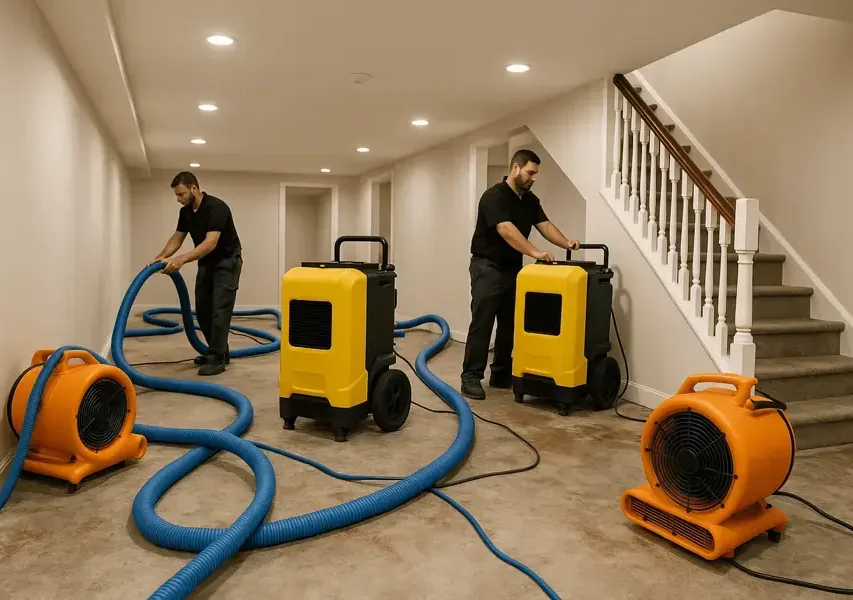
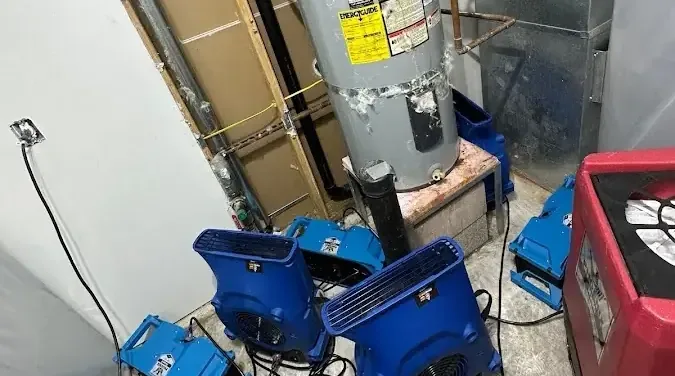
The drying team sizes air movers to each room and runs LGR dehumidifiers, with heat for cool crawl spaces and lower floors.
Halfway dry - STAGE 04
Daily readings
Readings are logged every visit, and equipment comes out only when materials sit within 2 to 4 points of a dry reference.
Dry standard met
Water damage dried to the IICRC S500 standard
Hillside lots, crawl spaces and a long rain season shape most losses here, so the drying plan starts under the floor and works up.
Around-the-clock dispatch
Crews roll at any hour to the slopes of Mount Scott, the valley floor and the newer streets of Pleasant Valley and North Carver.
IICRC S500 drying standard
Moisture is mapped first, equipment is sized to the load, and readings continue until the structure is dry.
Claim-ready records
Moisture maps, daily psychrometric logs and timestamped photos go into the file an adjuster reviews.
Rain and slope know-how
Runoff from uphill yards, wet crawl spaces and stalled sump pumps are everyday losses here, and the crews plan for them.
Water damage restoration from Mount Scott to Pleasant Valley
Most homes here went up after the late 1990s, many with crawl spaces or finished lower floors set into a slope. Each one takes water differently, so the restoration experts start every job with a moisture map, because the wet area is almost always larger than the visible stain.
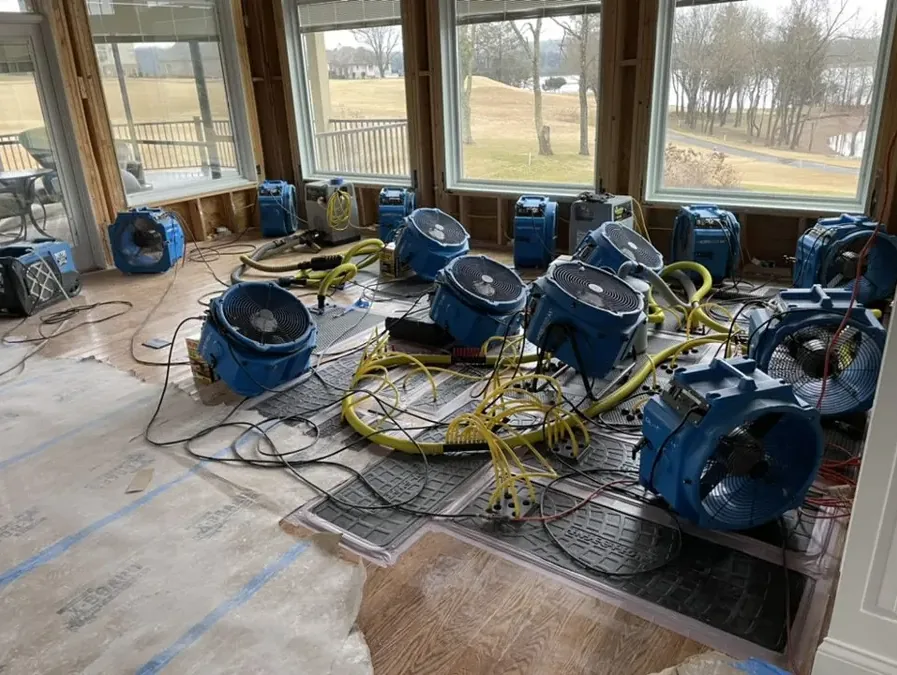
From there the extraction crew removes standing water, the drying team sets air movers and LGR dehumidifiers, and the daily readings decide when the job is done.
How the restoration team runs a dry-outWhat does water damage restoration cost in Happy Valley, OR?
In Happy Valley, OR, water damage restoration typically runs $1,200 to $8,500 or more, depending on the water category, the square footage, the material class and how fast drying started. Crawl space and lower-level losses often land in the middle of that range.
- Class 1 or 2, one area
- Clean water extraction
- Three to five days of drying
- Several rooms or the space under the floor
- Pad, insulation and flood cuts as needed
- Daily readings and logs
- Sewage or outside water
- Porous materials removed
- Containment and antimicrobial
Try the water damage cost calculator for a planning range. A walkthrough with moisture readings sets the real scope, and ranges are typical, not a quote.
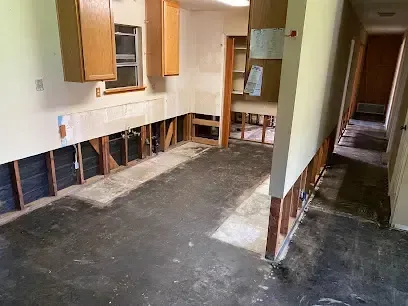
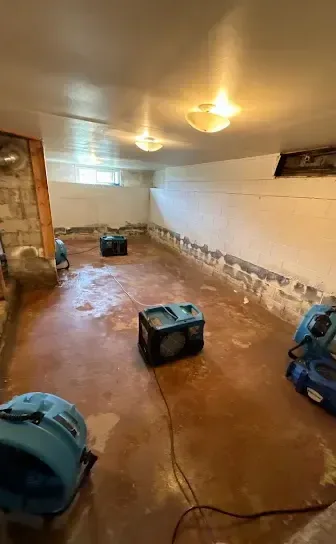
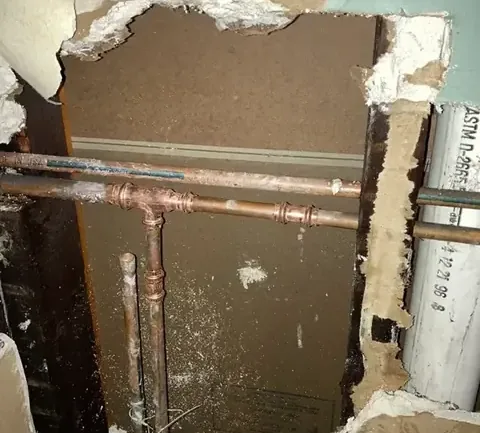
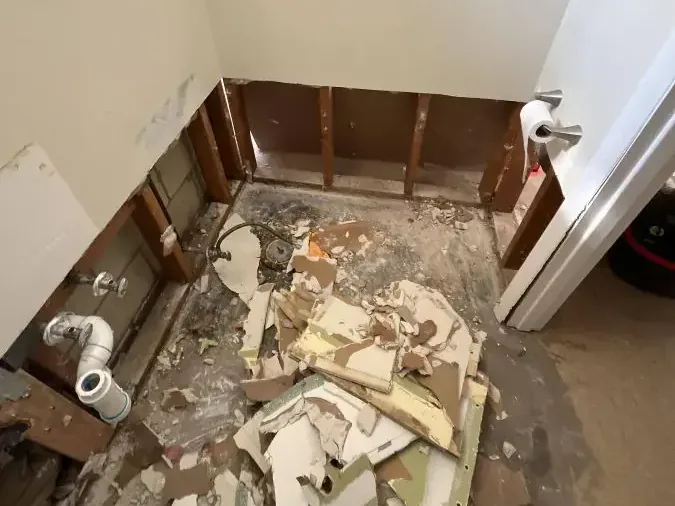
What a measured dry-out looks like inside a home
Documentation for your insurance claim
A water claim is decided on the file, not on the first phone call. Sudden and accidental discharge, such as a burst supply line, is treated differently from rising surface water.
What policies usually separate
Sudden and accidental water, such as a failed supply hose or water heater, is often covered on a homeowners policy after the deductible. Rising surface water usually needs a separate flood policy.
Sewer and sump backup often needs its own endorsement. Coverage depends on your policy, so it is worth checking with your own insurer before work begins.
- A moisture map from the first visit
- Daily psychrometric and moisture logs
- Timestamped photos taken before any demolition
- The category and class of the loss
- A line-item scope in the format adjusters expect
All three water damage categories handled here
Clean water
Supply lines, burst pipes and water heaters. Usually extracted and dried in place when the response is fast.
Clean water extractionGray water
Washers, dishwashers and sump pits. Soaked pad and cardboard come out, and the rest is cleaned and dried.
Sump pump failure cleanupBlack water
Sewage and outside runoff. Porous materials are removed, not dried, and surfaces get an antimicrobial.
Sewage backup cleanupAreas served across Happy Valley and nearby towns
One call puts a drying crew on the road, any hour of the night
The restoration crew covers ZIP 97086 from the hillside streets down to the valley floor, plus Clackamas, Damascus, Sunnyside and Oregon City.
Describe what is wet and which level it reached, and the crew arrives with extraction, drying and moisture equipment.
Home ZIP code
Nearby places
Neighborhoods and landmarks
Water damage in Happy Valley, OR: the local risk profile
Happy Valley grew fast after the late 1990s on the flanks of an extinct volcano, so most losses here come from rain, slope and newer plumbing rather than old pipe.
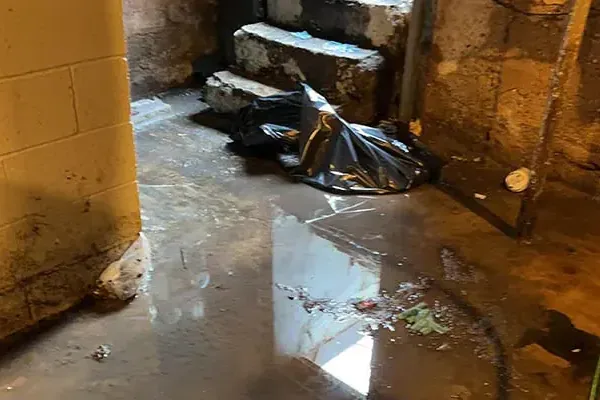
Homes on the slopes of Mount Scott and Scouters Mountain sit below someone else's yard. In a long rain, water runs downhill toward foundation walls, window wells and crawl space vents.
Many homes sit over crawl spaces. Water under the joists stays out of sight, soaks insulation and vapor barrier, and pushes humidity up into the floors above.
Clear winter nights on an open slope chill pipes in crawl spaces, exterior walls and garages. A split stays quiet while frozen and floods once it thaws.
Most homes went up after 2000. Newer systems still fail at push fittings, supply hoses, ice maker lines and water heater connections, often on an upper floor.
With an average of 48 inches of rain a year, gutters, roof valleys and sump pits work hard from fall through spring, and a stalled pump floods a lower level fast.
Portland still keeps a composite map of how far the February 1996 flood spread, a reminder of what a wet winter can do across the region.
Water damage questions from Happy Valley homeowners
How fast can a restoration crew reach a home in Happy Valley?
Dispatch runs 24/7 across ZIP 97086 and the nearby towns, and an active leak is treated as urgent. Extraction comes first, because water keeps moving into subfloor and drywall until it is pulled out.
Does homeowners insurance cover water damage in Oregon?
Sudden and accidental water, such as a burst supply line or a failed water heater, is often covered after the deductible. Rising surface water usually needs a flood policy, and sewer or sump backup often needs an endorsement. Coverage depends on your policy, so check with your own insurer.
What causes most water damage around here?
Rain running downhill toward foundations on sloped lots, water collecting in crawl spaces, sump pumps that stall during a long wet spell, failed supply hoses and water heaters in newer homes, cold-night pipe splits and sewer backups.
How long does drying take?
A contained Class 1 or 2 loss often dries in three to five days. Hardwood, plaster, concrete and cool crawl spaces take longer. Equipment comes out when readings reach the drying goal, not on a set date.
What is IICRC S500?
IICRC S500 is the industry standard for professional water damage restoration. It defines the categories of water, the classes of loss and how drying is carried out and verified with readings.
What should be done first while water is still spreading?
Shut off the water at the main, cut power to wet rooms only if the panel is dry, stay out of water near outlets, photograph everything, lift rugs and valuables, then call for extraction.
Why does a wet crawl space matter if the floors look dry?
Water under the joists soaks insulation and the vapor barrier and raises humidity under the subfloor. Left alone, it swells flooring and gives mold its 24 to 48 hour window, so it is pumped out and dried, not ignored.
When does drywall have to come out?
When it is soft, swollen or sagging, when the insulation behind it is soaked, or when it was touched by Category 3 water. Firm drywall wet with clean water can often be dried in place.
Why is sewage handled differently?
Sewage is Category 3 water from the moment it happens. Porous materials it touched are removed, the area is contained, and surfaces are cleaned and treated with an EPA-registered antimicrobial before drying.
How is the cost worked out?
By the water category, the square footage, the material class and how fast drying started. The cost calculator shows a typical range, and a walkthrough with moisture readings sets the real scope.
Water in a crawl space, lower floor or ceiling tonight?
Standing water moves into subfloor, insulation and drywall within hours. The restoration team extracts it, dries the structure and logs every reading.
(888) 373-8814Have the lower floor extracted tonight